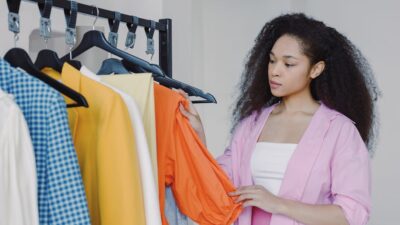
The Evolution of Body Positivity in Fashion
Fashion has always been a mirror reflecting societal norms, aspirations, and transformations. From the hourglass figures in the early 20th century to the waif-like silhouettes of the 1990s, each era had its own idealized body type. Fast forward to 2026, and the landscape looks refreshingly different. The fashion industry, once notorious for its narrow beauty standards, is now undergoing a radical transformation driven by the body positivity movement.
This isn’t just a fad. It’s a necessary upheaval that addresses the diverse tapestry of human bodies. Major brands, from London to Los Angeles, are finally waking up to the reality that beauty isn’t a one-size-fits-all concept.
Representation Matters
One of the most significant shifts in fashion has been the increasing representation of diverse bodies. This change is more than just about seeing different sizes on the runway; it’s about inclusivity in all its forms. In 2026, fashion weeks across the globe—from Milan to New York—are showcasing models of various ages, ethnicities, and abilities.
Consider the recent London Fashion Week where over 35% of the models were above a size 12, and several shows featured models with disabilities. This increase in representation helps dismantle unrealistic beauty standards, offering people of all shapes and sizes the chance to see themselves mirrored in the world of high fashion.
The Impact on Consumers
The ripple effect of body positivity on consumers is profound. As brands embrace a wider range of body types, consumers feel more accepted and seen. This cultural shift has empowered individuals, particularly the younger generation, to embrace their natural bodies rather than aspire to unattainable ideals.
Recent surveys suggest that 68% of consumers are more likely to support brands that promote body positivity. This growing demand for authenticity has pressured even the most traditional fashion houses to rethink their strategies, making body positivity not just a moral imperative but a business one too.
Brands Leading the Charge
Some brands have taken bold steps beyond mere tokenism. Take, for example, the American label Aerie, which refuses to retouch their models’ photos, showcasing scars, stretch marks, and natural beauty. Their #AerieREAL campaign has become a benchmark for body-positive branding, resulting in a 33% increase in sales over the past three years.
In Europe, ASOS has expanded their size range significantly and regularly features models with diverse body types on their website. These efforts have not only enhanced their brand reputation but also strengthened customer loyalty.
- Target – Their inclusive clothing lines, available in extended sizes, have made stylish fashion accessible to everyone.
- Universal Standard – Known for its wide range of sizes, this brand has redefined fashion for larger bodies, offering chic and modern options.
The Role of Social Media Influencers
Social media has played a vital role in amplifying the body positivity movement. Influencers like Jessamyn Stanley and Nadia Aboulhosn have amassed millions of followers by promoting self-love and acceptance. Their impact stretches beyond fashion, inspiring a broader cultural shift towards inclusivity.
These influencers challenge traditional beauty norms, creating spaces where diverse bodies are celebrated. Their partnership with brands helps keep the conversation alive, ensuring that body positivity remains at the forefront of the fashion dialogue.
A Call to Action for the Future
As we continue through 2026, the momentum behind body positivity shows no signs of slowing down. However, there’s still work to be done. Brands must remain vigilant, ensuring that their efforts are genuine and not merely performative. The future of fashion depends on its ability to embrace diversity fully.
For consumers, the takeaway is clear: support brands that genuinely reflect the diversity of the real world. By making conscious choices, we can continue to push the industry towards greater inclusivity.
The shift towards body positivity is not just transforming the fashion industry; it’s reshaping how we view ourselves and each other. As this movement gains strength, it empowers individuals to love themselves unconditionally, dismantling once rigid beauty barriers and building a more inclusive world where fashion celebrates everyone.